The Rise of Realistic AI: Blurring the Lines Between Virtual and Reality
Have you ever scrolled through your feed and stopped at a stunning picture of a sunset or a futuristic city? You might wonder if a photographer took it or if a computer made it.
Today, it is getting harder to tell the difference. This is the era of realistic ai.
At Social Think, we see this shift happening every day. We specialize in social media strategy, analytics, and insights to help businesses grow.
We know that staying ahead means knowing which tools can help you create better content faster. Whether you are running marketing campaigns or just sharing social media posts, understanding how technology changes the game is vital.
Realistic AI is not just about robots talking.
It is about creating lifelike portraits, voices that sound human, and photorealistic images that look like they were taken with a high-end camera. For content creators, this technology opens up a whole new world. You can turn a text prompt into a unique image in seconds. In this article, we will break down what this technology is, how it works, and how you can use it.
We will look at the best AI image generators, how to get the best results, and why image quality matters for your brand. If you want to improve your social media presence, Social Think is here to guide you through these changes with data-backed strategies.
What Exactly is Realistic AI?
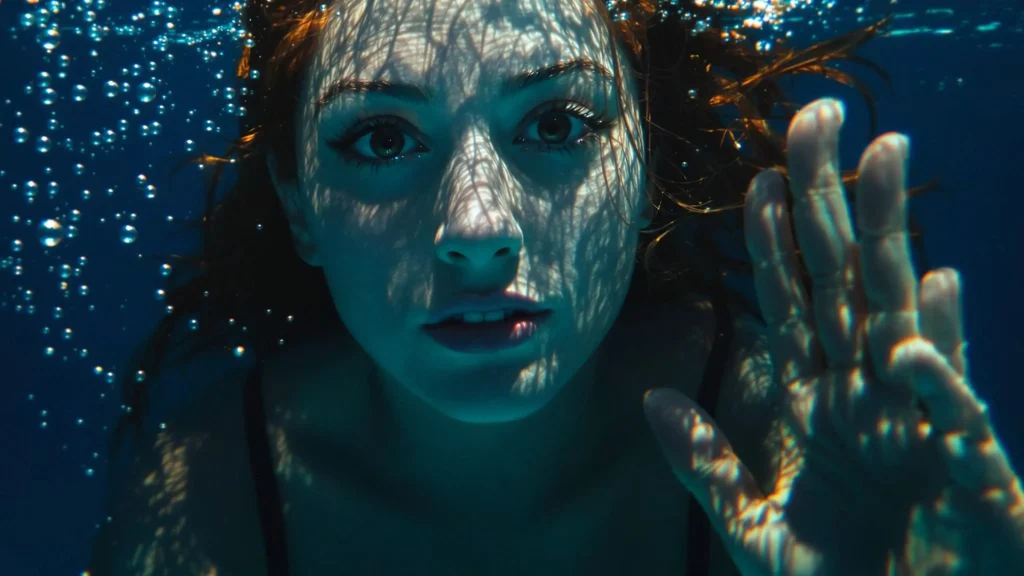
When we talk about realistic AI, we mean computer programs that can mimic human behavior or create things that look and sound real. In the past, computers were obviously machines. Their voices were robotic, and their drawings looked like cartoons.
Now, AI technology has advanced so much that it can fool us.
Defining Hyper-Realism in Artificial Intelligence
Hyper-realism is when something artificial looks exactly like the real thing.
Think about a generated image of a person. In the past, the eyes might have looked wrong, or the hands might have had six fingers. Now, advanced models can create a face with natural lighting, skin texture, and even tiny details like water droplets on the skin.
This level of detail is important for commercial purposes. If a brand wants to sell a product, the image needs to look professional.
Generative AI allows designers to create beautiful images without needing a photoshoot. You can adjust the depth of field, change the main subject, or add decorative elements just by typing a description. The goal is to make the final result indistinguishable from a real photo.
The Evolution From Basic Chatbots to Human-Like Interaction
Do you remember early chatbots? You would ask a question, and they would give a confusing answer. Today, things are different. We have moved from simple scripts to systems that understand context. This evolution is similar to how image generation has changed.
Early ai art looked abstract or messy. Now, with tools like stable diffusion, you can create a visual story that makes sense. The learning curve has also dropped.
New users do not need design skills or design experience. You just need creative ideas. The computer handles the technical parts, giving you higher-quality outputs than ever before.
This shift allows anyone to become an image creator, regardless of their background.
Key Technologies Powering Realistic AI
How does a computer learn to paint or talk? It uses complex systems called models. These are like the brains of the operation.
Let’s look at the engines driving this innovation.
Generative Adversarial Networks (GANs)
This sounds complicated, but it is actually a simple concept. Imagine two artists.
One artist (the Generator) tries to paint a fake picture. The other artist (the Discriminator) tries to spot the fake. They play this game millions of times.
The Generator keeps trying to trick the Discriminator.
Over time, the Generator gets so good at making an AI image that the Discriminator can’t tell it’s fake. This is how we get photorealistic images. This technology is behind many image generation models. It ensures that the lighting, shadows, and textures look correct.
Natural Language Processing (NLP) and Sentiment Analysis
NLP is how computers understand human language.
It is not just about words; it is about meaning. When you type a text prompt into a realistic AI image generator from text, the computer has to know what you mean.
If you type “a sad clown,” the AI needs to know what “sad” looks like. It uses text descriptions to figure out the mood. This is also how AI voice tools work. They analyze the text to add emotion, making the voice sound happy, angry, or excited. This makes the interaction feel human.
Neural Radiance Fields (NeRF) For 3D Modeling
NeRF is a newer technology that helps computers understand 3D space.
If you take a picture of a car, it is flat (2D). NeRF can look at a few photos and figure out what the car looks like from all sides. This is huge for video creation and gaming.
It allows creators to make realistic AI environments that you can walk through.
For marketing materials, it means you can show a product from every angle without filming it. It adds a layer of depth that makes generated images feel solid and real.
Major Applications of Realistic AI in Various Industries
Social Think helps businesses apply these tools to win in the market. From marketing campaigns to customer service, realistic ai is changing how companies work.
Hyper-Realistic Avatars in Gaming and Entertainment
Video games are pushing the boundaries of what is possible.
Developers use ai technology to create characters that react like real people. These avatars have realistic skin, hair that moves with the wind, and eyes that reflect light.
But it is not just for games. Content creators use avatars for videos.
You can use a realistic ai generator to make a digital person speak for you. This is great if you are camera-shy. You can choose different art styles or keep it lifelike.
With a free plan on some tools, you can test this out. You simply upload a script, and the avatar delivers your message.
Realistic AI Voice Cloning and Text-to-Speech
Voice technology has improved massively. You can now clone a voice with just a few minutes of audio. This is useful for video creation. Instead of recording a voiceover again because of a mistake, you can just type the correction, and the AI says it in your voice.
This tech is also used for audiobooks and podcasts. It saves time and money.
However, quality varies. Higher quality voice clones usually require a standard plan or paid subscription, but the results are worth it for professional use.
Virtual Assistants and Customer Support
Customer support is moving beyond basic bots. Realistic ai assistants can hold proper conversations.
They can handle complex queries about a pricing page or technical issues.
For a business, this means happier customers. The AI can handle hundreds of people at once. It creates a better brand experience.
At Social Think, we analyze how these interactions affect customer satisfaction. We find that when the AI sounds natural, people are more likely to trust the advice it gives.
Personalized Education and Training Simulations
Schools and companies use realistic ai for training. Medical students can practice surgeries on lifelike digital patients.
Sales teams can practice pitches with AI customers who react to what they say. This creates a safe space to learn. You can make mistakes without real-world consequences.
It creates a visual story for learning that is much more effective than reading a textbook.
The Ethical Challenges of Using Realistic AI

With great power comes responsibility. At Social Think, we believe in using technology ethically. While realistic AI is amazing, it brings some risks we must discuss.
The Problem with Deepfakes and Misinformation
A deepfake is a video or image that replaces one person’s face with another. It looks very real. This can be used to spread lies.
A realistic AI image generator free tool, can be used by anyone, which means bad actors can create fake news. This hurts trust. If you see a video of a politician saying something crazy, you might believe it. We have to be careful about checking sources.
Social media platforms are fighting this, but it is a constant battle.
Data Privacy and Identity Theft Concerns
To make an ai model learn, it needs data. Often, this data comes from the internet. This raises questions about ownership.
If an AI uses your photos to learn how to draw a face, do you get paid?
Also, voice cloning can be used for scams. Someone could clone your voice and call your family asking for money. This is why security is a major topic in the AI world.
Distinguishing Between Human and Machine-Generated Content
As image quality gets better, it is hard to tell what is real. A good prompt can create a photo that looks like it belongs in a magazine.
We need ways to label AI content. Some platforms now add watermarks or labels to generated images. This helps viewers know if they are looking at digital art or a real photo.
Transparency is key for maintaining trust with your audience.
The Future Landscape of Realistic AI Development

The technology is moving fast. What seems impossible today will be normal tomorrow.
Upcoming Trends in Generative Video
Right now, image generation is the big thing. Next is video. Soon, you will be able to type a text prompt and get a full movie scene.
The video creation tools are currently in the early stages, often creating short, blurry clips.
However, advanced models are changing this. We expect to see high quality video generators that can handle complex movements and natural lighting.
This will revolutionize marketing campaigns and social media posts. Imagine creating a TV commercial from your laptop in an hour.
Balancing Innovation with Regulation
Governments are starting to make rules. They want to ensure ai technology is safe. This might mean stricter rules for commercial use or required labels for AI content. For businesses, this means staying informed. You don’t want to build a strategy on a tool that might get banned.
Social Think monitors these trends to keep our clients safe and compliant.
Practical Guide: Creating Images With Realistic AI

Since many of you are interested in trying this, let’s look at how to use these tools effectively.
Choosing the Right Tool
There are many options. You might look for the most realistic ai image generator free or a paid professional tool.
- Free Plan vs. Standard Plan: Most generators offer a free trial or free credits. This is great for new users. You can try out the features without paying. However, free plans often have limits. You might get lower resolution or slower speeds.
- Commercial Use: If you want to use the images for your business, check the rules. Some free versions do not allow commercial purposes. A standard plan usually gives you full rights to the image.
Creating the Perfect Text Prompt
The secret to a great result is the prompt.
- Be Specific: Don’t just say “a dog.” Say “a golden retriever running in a park, natural lighting, high quality.”
- Use Key Terms: Words like photorealistic images, 4k, and detailed help the ai model understand you want realism, not cartoons.
- Iterate: You rarely get the exact image on the first try. Look at the result, change the prompt, and try again. This is part of the creative process.
Example Scenario
Imagine you want to create a funny image for a personal project. You type: “A tiny nano banana sitting on a coin, extreme close up, macro photography.” The AI has to figure out what a “nano banana” implies (very small) and adjust the image size relative to the coin.
It uses previous versions of training data to understand textures. The final result should show the texture of the fruit and the metal of the coin clearly.
Adjusting Settings
- Aspect Ratios: Ensure you choose the right shape. Social media posts usually need square or vertical images (1:1 or 9:16).
- Image Size: Higher resolution is better for printing, but takes longer to generate.
- Reference Image: Some tools let you upload a photo to guide the AI. This helps if you want a specific pose or composition.
By mastering these steps, you can create unique image assets for marketing materials or personal projects.
FAQ’s:
What is the Most Realistic AI Image Generator Available Today?
There isn’t one single winner, as it changes often. Tools like Midjourney and Stable Diffusion are top contenders. They offer various styles and excellent image quality. For ease of use, some online platforms integrate these models with simple interfaces.
Always check if they offer a free plan or free credits to test them out.
Can Realistic AI Voices Express Human Emotions?
Yes. Advanced models can adjust tone, pitch, and speed to sound happy, sad, or urgent. They are getting much better at capturing the nuances of human speech, making them great for video creation and audiobooks.
Is Realistic AI Dangerous?
It can be if misused. Deepfakes and scams are real risks. However, the technology itself is neutral. It depends on how people use it. This is why education and safety measures are important.
How Can I Detect If A Video Was Made By Realistic AI?
Look for odd details. Sometimes hands look strange, or shadows don’t match the light source. In videos, watch the mouth movement; sometimes it doesn’t match the words perfectly. Also, look for unnatural blinking patterns.
Will Realistic AI Replace Human Actors?
It is unlikely to replace them completely.
AI can create background characters or do dangerous stunts digitally, but the emotional depth of a great human actor is hard to replicate.
It will likely become a tool that helps actors and directors, rather than replacing them.
Conclusion
Realistic AI is transforming how we create and consume content.
From converting images to realistic AI tools to advanced voice cloning, the possibilities are endless. These tools empower content creators, businesses, and new users to bring their creative ideas to life with ease of use.
Whether you are looking to make beautiful images for personal projects or build a full visual story for a marketing campaign, the technology is ready for you. Remember, the quality of your output often depends on your text descriptions and your willingness to experiment.
At Social Think, we believe in using these tools to drive real business results. We combine social media strategy with the latest tech insights to keep you ahead. Do not let the learning curve scare you. Start with a free trial, use your free credits, and see what you can create.
Ready to take your social media strategy to the next level? Contact Social Think today.
Let us help you navigate the world of analytics and AI to grow your brand. Visit our pricing page or reach out to our team to get started. The future of content is here, and we are here to help you master it.